Divorce in India: Laws, Legal Process, Rights and Remedies

Divorce is the legal process through which a marriage is dissolved by a competent court or authority under the applicable law. It can involve emotional, financial, and legal challenges, particularly when spouses disagree about separation, maintenance, child custody, property, or other family matters. In India, divorce laws depend on the personal law applicable to the […]
Dowry Death: Legal Provisions, Punishment and Legal Remedies in India
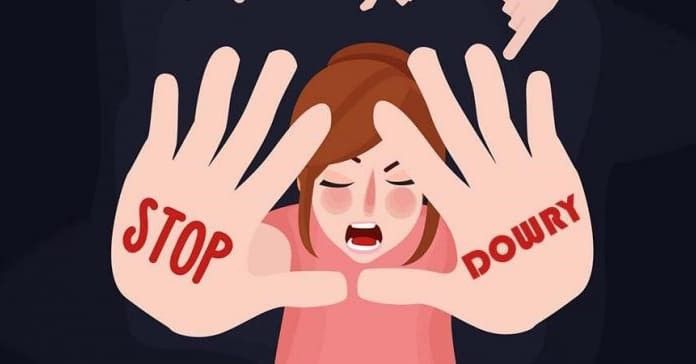
Dowry-related violence remains a serious legal and social concern in India. When a married woman dies under suspicious circumstances following alleged harassment or cruelty connected with dowry demands, the matter may require investigation under specific criminal law provisions. Such cases can involve complex questions about the circumstances of death, the conduct of the husband and […]
Anticipatory Bail in India: Legal Protection, Procedure, and Your Rights
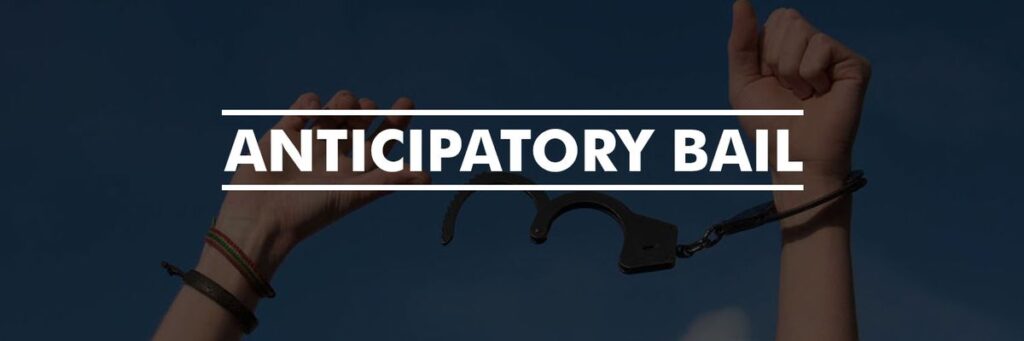
Anticipatory bail is a form of pre-arrest protection available under Indian criminal procedure law. It allows an eligible person who apprehends arrest for a non-bailable offence to apply to the appropriate court for a direction that they be released on bail if arrested, subject to the applicable law and any conditions imposed by the court. […]
Domestic Violence in India | Legal Remedies & Protection

Domestic Violence is a serious legal and social issue that can affect a person’s safety, dignity, financial independence, and emotional well-being. In India, the law recognises that domestic abuse is not limited to physical assault. Certain forms of verbal, emotional, sexual, and economic abuse within a domestic relationship may also fall within the scope of […]
Civil Litigation: Practical Legal Representation for Dispute Resolution
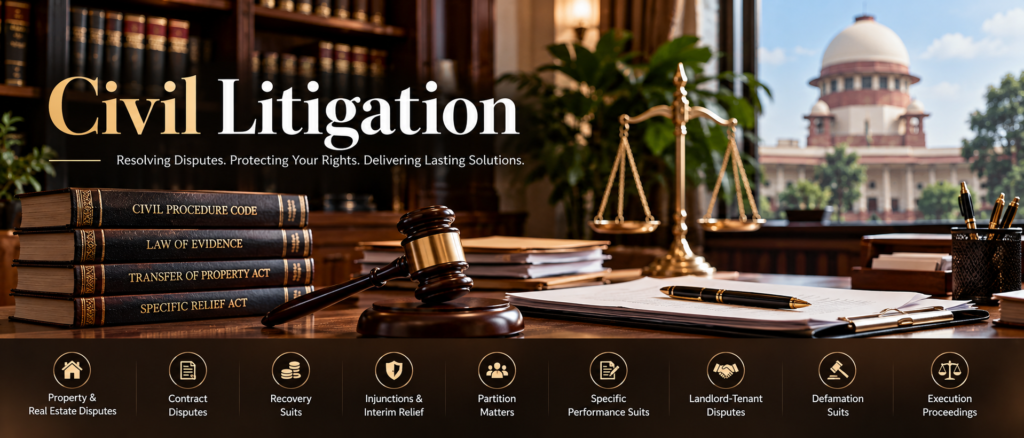
Civil disputes are a common part of personal, professional, property, and commercial relationships. A disagreement over property, money, contracts, family arrangements, business transactions, or legal rights can sometimes develop into a formal dispute requiring court intervention. Civil litigation provides a legal framework through which such disputes can be presented, examined, and resolved by the appropriate […]
Cheque Bounce: Legal Remedies, Notice, Procedure and Protection Under the Law
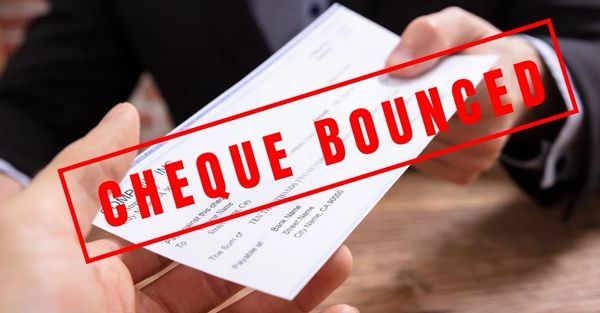
A cheque is one of the most commonly used instruments for making payments in business and personal transactions. However, when a cheque is returned unpaid by the bank, it may create financial, legal, and commercial complications. A cheque bounce can occur for several reasons, including insufficient funds, account-related issues, signature discrepancies, payment instructions, or other […]
Anticipatory Bail: Legal Protection Against Arrest
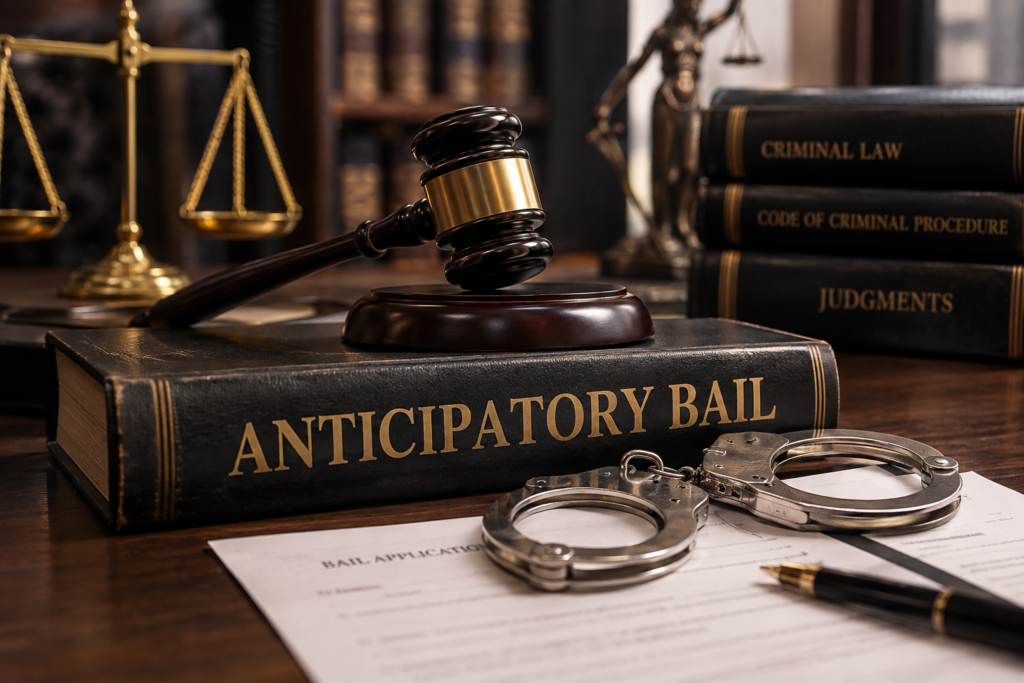
Anticipatory bail is an important legal remedy available to a person who has a genuine apprehension of arrest in connection with a non-bailable offence. It allows an individual to seek protection from arrest before the arrest actually takes place. In India, anticipatory bail is generally sought before the appropriate High Court or Court of Session, […]
Cheque Bounce: Legal Remedies, Notice, Procedure and Key Considerations
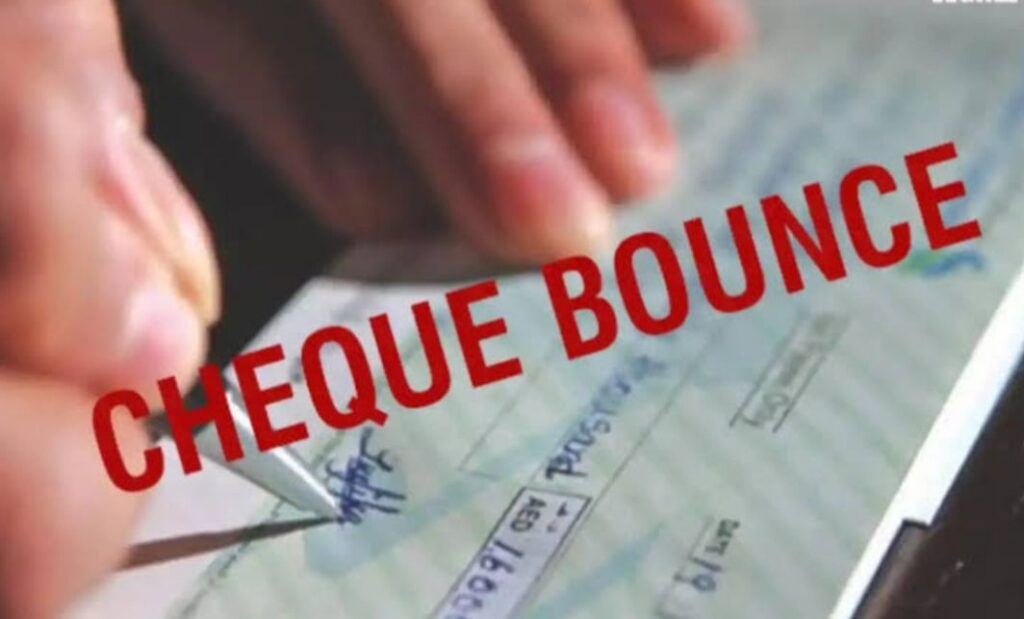
A cheque bounce is a serious financial and legal issue that can arise when a bank refuses to honour a cheque presented for payment. In India, cheque dishonour involving a legally enforceable debt or liability may attract legal proceedings under the Negotiable Instruments Act, 1881, particularly Section 138. Businesses, individuals, creditors, and borrowers should understand […]
Bail: Understanding Bail, Legal Rights, and the Bail Process in India
Bail is an important legal remedy available to an accused person facing criminal proceedings. It allows a person who has been arrested or detained to obtain temporary release from custody while the investigation or criminal case continues, subject to conditions imposed by the court. The purpose of bail is to balance the interests of justice […]
Cheque Bounce: Legal Remedies, Procedure, Causes and Importance of Timely Action
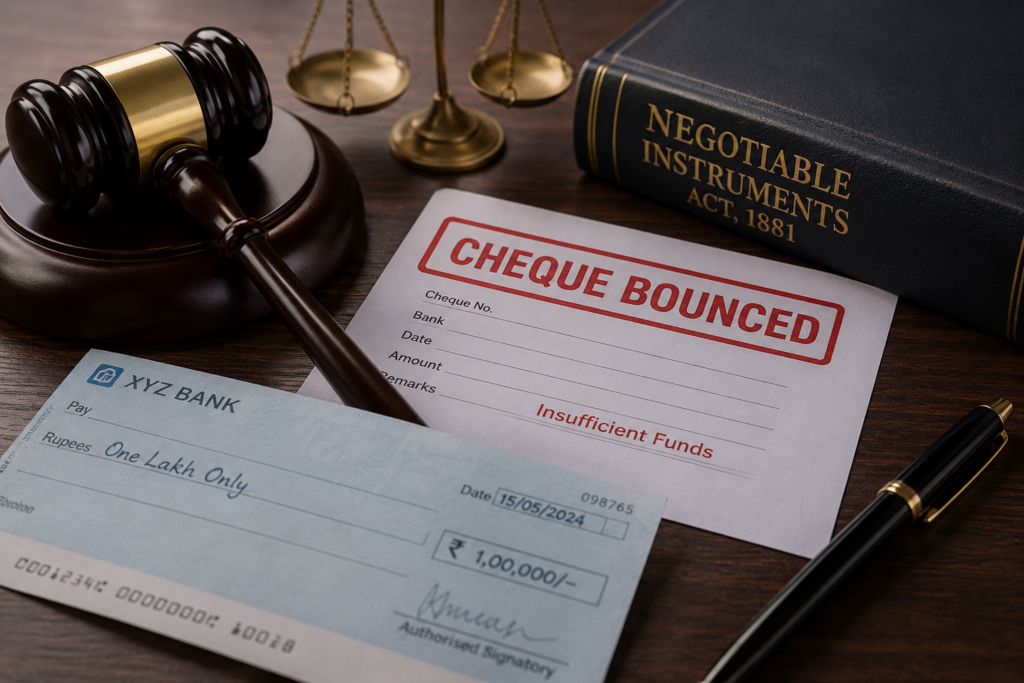
A cheque is one of the most commonly used instruments for making payments in business and personal transactions. It provides a convenient way to transfer money without requiring immediate cash payment. However, when a cheque is presented to the bank and is returned unpaid, the situation can become legally and financially complicated. A cheque bounce […]